
7 Common Dental Problems and How to Treat Them
Dental health plays a vital role in your overall wellbeing. Understanding the most common dental problems, their symptoms, and the best ways to treat and prevent them can help you maintain a confident, healthy smile throughout life.
1. Tooth Decay
What Is Tooth Decay?
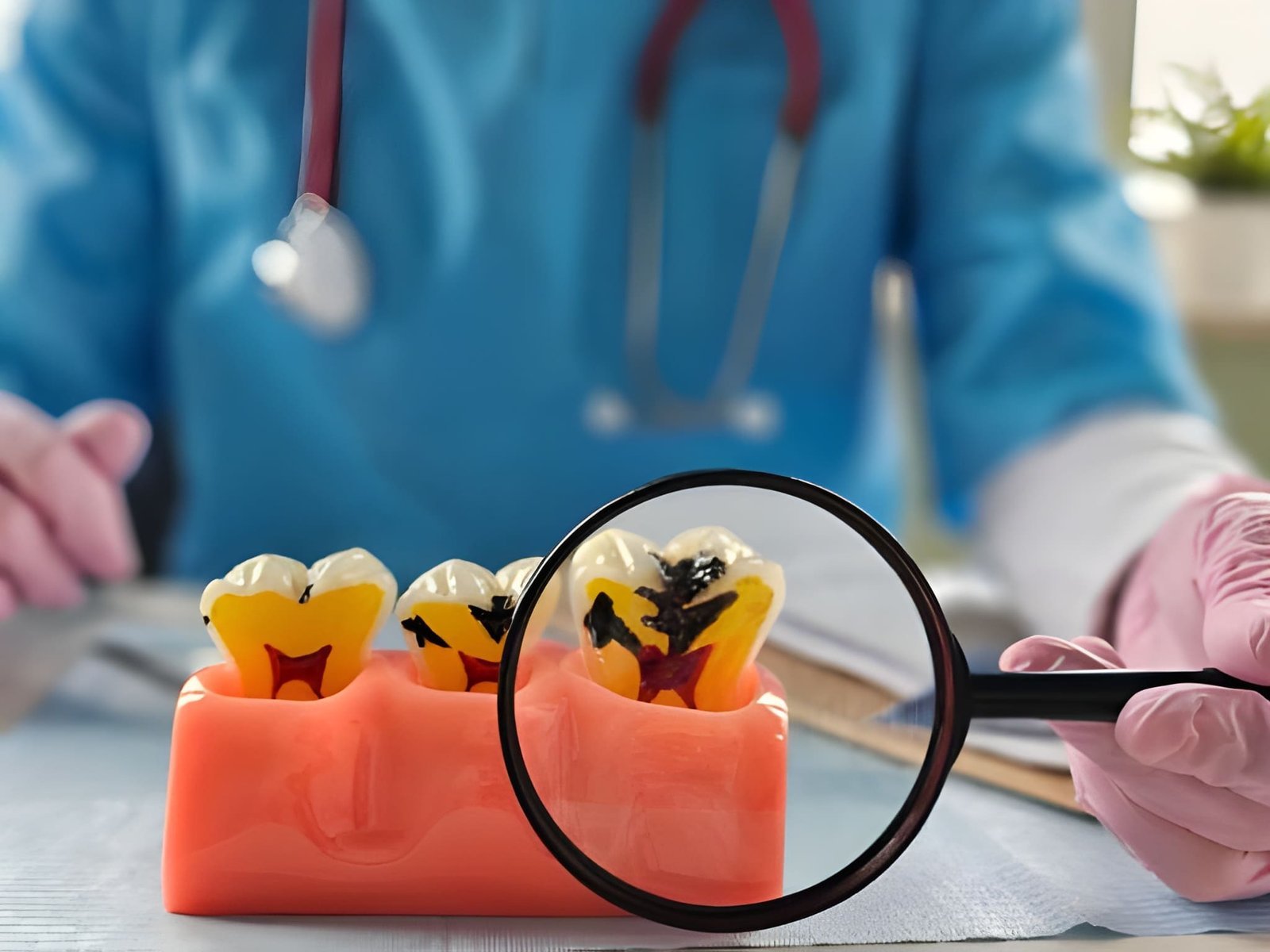
Tooth decay, also called dental caries or cavities, occurs when acids produced by bacteria erode the enamel, the tooth’s hard outer layer. If left untreated, decay can reach deeper layers, leading to pain or infection.
Symptoms of Tooth Decay:
- Tooth sensitivity to hot, cold, or sweet foods
- Visible holes or discolouration
- Toothache or pain when biting down
Treatment for Tooth Decay:
Early stages can be reversed with fluoride treatments, while advanced decay may require fillings, inlays, crowns, or, in severe cases, root canal therapy. Maintaining proper brushing and dietary habits prevents further decay.
2. Gum Disease
What Is Gum Disease?
Gum disease (periodontal disease) is an inflammatory condition caused by plaque buildup along the gumline. It progresses from gingivitis (early stage) to periodontitis (advanced stage), potentially leading to tooth loss if untreated.
Symptoms of Gum Disease:
- Red, swollen, or bleeding gums
- Persistent bad breath
- Loose or shifting teeth
Treatment for Gum Disease:
Early intervention includes professional cleaning and improved home care. Advanced cases may require scaling, root planing, or surgical therapy to restore gum health.
3. Tooth Sensitivity
What Is Tooth Sensitivity?
Tooth sensitivity arises when dentine, the underlying layer beneath enamel, becomes exposed. This can be due to enamel wear, gum recession, or erosion from acidic foods.
Symptoms of Tooth Sensitivity:
- Discomfort from cold or hot foods and drinks
- Pain when brushing or flossing
- Occasional sharp tingling sensations
Treatment for Tooth Sensitivity:
Use of desensitising toothpaste, fluoride treatments, and gentle brushing with a soft-bristled brush can help. In severe cases, dental bonding or gum grafting may be recommended.
4. Bad Breath (Halitosis)
What Is Bad Breath?
Bad breath is often caused by bacteria breaking down food particles and producing odorous compounds. Poor oral hygiene, gum disease, or certain health conditions can contribute.
Symptoms of Bad Breath:
- Persistent unpleasant odour
- Dry mouth sensation
- Metallic or bitter taste
Treatment for Bad Breath:
Improving oral hygiene, cleaning the tongue, drinking plenty of water, and addressing any underlying dental or medical issues reduces halitosis effectively.
5. Teeth Grinding (Bruxism)
What Is Teeth Grinding?
Teeth grinding occurs unconsciously, often during sleep or stress. Continuous grinding causes enamel wear, tooth fractures, and jaw pain.
Symptoms of Teeth Grinding:
- Jaw or facial tension
- Flattened tooth surfaces
- Morning headaches
Treatment for Teeth Grinding:
Wearing a custom night guard, reducing stress levels, and maintaining proper jaw alignment are key approaches to managing bruxism.
6. Oral Cancer
What Is Oral Cancer?
Oral cancer can develop on the lips, tongue, or inner mouth tissues. Early detection is essential for successful treatment and recovery.
Symptoms of Oral Cancer:
- Unhealed mouth sores
- Red or white patches
- Difficulty chewing or swallowing
Treatment for Oral Cancer:
Diagnosis may involve screening and biopsy. Treatment methods include surgery, radiation therapy, or chemotherapy, depending on the stage.
7. Malocclusion (Misaligned Teeth)
What Is Malocclusion?
Malocclusion refers to misalignment of teeth or bite, affecting chewing, appearance, and oral hygiene. Common causes include genetics, thumb sucking, or early tooth loss.
Symptoms of Malocclusion:
- Uneven bite or difficulty chewing
- Speech problems
- Jaw strain or discomfort
Treatment for Malocclusion:
Orthodontic treatments such as braces, aligners, or retainers are effective ways to restore alignment and improve oral function.
Prevention of Common Dental Problems
Prevention is simpler and less costly than treatment. Regular professional check-ups, brushing twice daily with fluoride toothpaste, flossing, and maintaining a balanced diet form the cornerstone of oral health. Avoid tobacco, limit sugary foods, and schedule hygiene appointments every six months to detect issues early.
Dental Health and Overall Wellbeing
Your mouth is a mirror to your body’s health. Poor oral hygiene can contribute to systemic issues like heart disease or diabetes. Keeping your gums and teeth healthy supports your immune system and overall vitality.
Conclusion
Maintaining good oral health is about prevention, awareness, and timely treatment. By recognising common dental problems early and following professional advice, you safeguard your smile — and your overall wellbeing, with support from a trusted Hawick Dentist for comprehensive and ongoing care.
Call to Action: Ready to achieve a healthy, confident smile? Book your dental appointment today and take the first step towards lasting oral health.
FAQs
How often should I see the dentist?
Most people benefit from a dental check-up every six months, but your dentist may suggest more frequent visits if you have gum disease or ongoing treatment.
Can tooth decay heal naturally?
Early enamel demineralisation can sometimes be reversed with fluoride and improved hygiene, but once a cavity forms, only professional treatment can repair it.
What causes bleeding gums?
Bleeding gums usually indicate early gum disease or brushing too harshly. Gentle cleaning and improved oral hygiene often resolve the issue.
Are electric toothbrushes better than manual ones?
Electric toothbrushes can provide more consistent cleaning, especially for people with limited dexterity, but technique and consistency matter most.
What’s the best way to prevent bad breath?
Brush and floss daily, clean your tongue, stay hydrated, and schedule regular dental cleanings to address any underlying causes.